
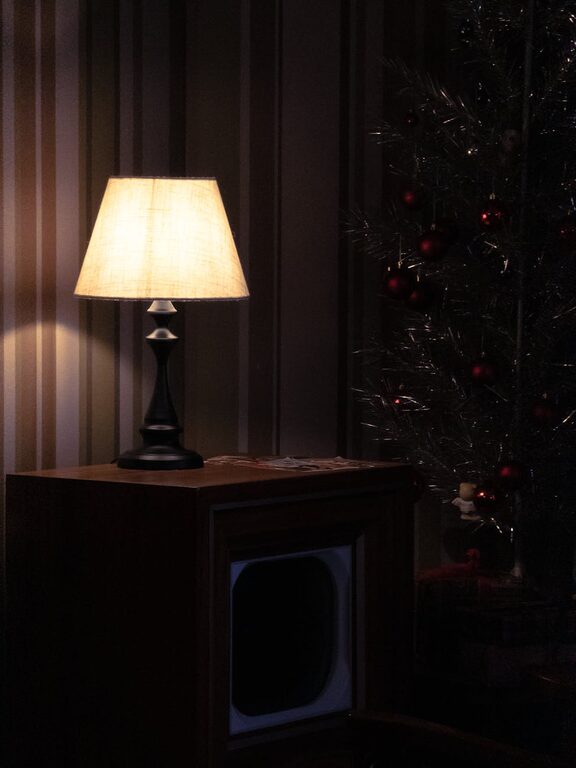
Creating a comfortable and inviting atmosphere in your home largely depends on the lighting you choose. Proper lighting affects not only the aesthetic appeal of your space but also your mood, productivity, and overall well-being. With so many options available, selecting the right home lighting can feel overwhelming. This guide offers clear, practical tips to help you choose comfortable lighting that fits your needs and enhances your living environment.
Why Comfortable Lighting Matters
Before diving into how to select lighting, it’s important to understand why comfort in lighting is significant. Harsh, overly bright, or poorly placed lights can cause eye strain, headaches, and discomfort. On the other hand, well-chosen lighting can make your rooms feel cozy, highlight your décor, and improve functionality. The goal is to find a balance between brightness, color, and placement to create a comfortable ambiance.
1. Understand the Different Types of Lighting
When planning your home lighting, it helps to know the three main types that serve different purposes:
– Ambient Lighting: This is the general, overall light in a room that provides uniform illumination. Examples include ceiling fixtures and recessed lights.
– Task Lighting: Focuses on lighting areas where specific activities occur, like reading lamps or kitchen under-cabinet lights.
– Accent Lighting: Used to highlight artwork, architectural features, or decorative items to add depth and interest.
Using a mix of these lighting types can create a flexible and comfortable environment.
2. Choose the Right Bulbs
The type of bulb you use has a big impact on lighting comfort.
– Color Temperature: Measured in Kelvins (K), this determines the warmth or coolness of the light. For a cozy feel, choose bulbs with a warm color temperature (2700K to 3000K). For workspaces or kitchens, a neutral white (3500K to 4100K) may be better.
– Brightness: Measured in lumens, brightness should match the room’s size and function. Avoid overly bright bulbs in relaxing spaces like bedrooms.
– Energy Efficiency: LED bulbs save energy and last longer, making them a smart choice for home lighting.
3. Consider Dimmers and Smart Controls
Installing dimmer switches lets you adjust lighting intensity easily. Dimmers help create mood lighting and reduce eye strain, especially in living rooms and bedrooms.
Smart lighting systems allow control via apps or voice assistants. You can adjust brightness, color temperature, and schedules to suit different times of day and activities, providing ultimate customization.
4. Select Lighting Fixtures That Match Your Space
Lighting fixtures come in many styles, sizes, and forms. When choosing fixtures, consider:
– Size and Scale: Large fixtures can dominate small rooms, while tiny fixtures may look lost in big spaces.
– Style Harmony: Fixtures should complement your home’s décor, whether modern, traditional, or eclectic.
– Functionality: Consider height and placement to avoid glare or shadows. For example, pendant lights work well over dining tables, while floor lamps are great for reading corners.
5. Layer Your Lighting
Layering means combining ambient, task, and accent lighting to create a well-rounded lighting scheme. For example:
– Use overhead lights for general illumination.
– Add table lamps or under-cabinet lights for tasks.
– Highlight artwork or plants with spotlights or LED strips.
This approach ensures your lighting adapts to various activities and moods.
6. Pay Attention to Natural Light
Don’t forget the role of natural daylight in your lighting plan. Maximize natural light during the day by using sheer curtains, mirrors, and light-colored walls. Natural light improves mood and reduces the need for artificial lighting.
7. Avoid Common Lighting Mistakes
To increase comfort, try to avoid these frequent lighting errors:
– Using only one type of lighting in a room.
– Installing too-bright bulbs in relaxing areas.
– Ignoring the placement that causes glare or shadows.
– Choosing harsh cool-white bulbs for bedrooms or living spaces.
8. Test Your Lighting Setup in Different Conditions
Once you install lighting, observe it during various times of day and activities. Does it feel too bright or too dim? Are there unwanted shadows? Make adjustments as needed until the lighting creates the desired comfortable atmosphere.
—
Final Thoughts
Choosing comfortable home lighting is about balancing function and aesthetics. By understanding lighting types, selecting appropriate bulbs, layering lights, and considering natural daylight, you can transform your home into a cozy, beautiful haven. Remember to experiment and adjust your lighting to find what feels best for you and your lifestyle.
Happy lighting!